Dr Daguang Han's research integrates digital twins, physics-informed machine learning, and multi-modal sensing to address structural safety and disaster resilience in civil infrastructure. He holds a permanent academic record spanning Norway, Germany, China, and the UK, with 945 citations and an h-index of 14.
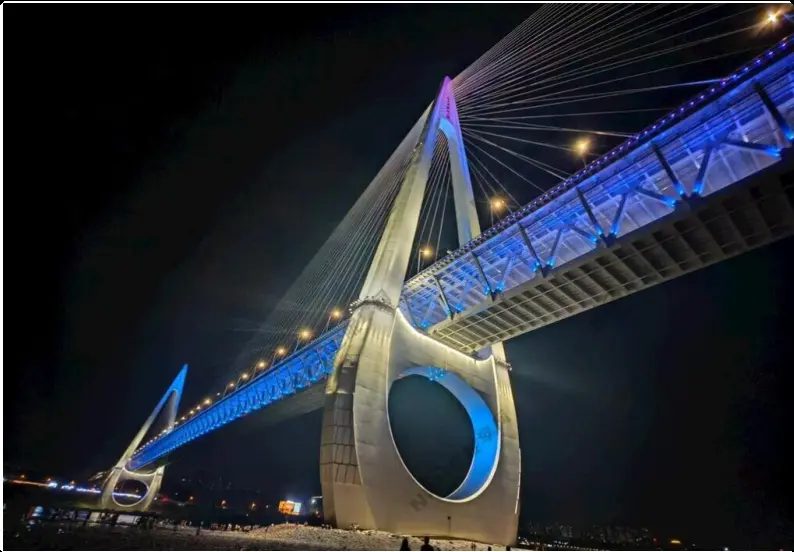
My research sits at the intersection of digital twins, AI-driven sensing, and structural engineering. The practical question that drives most of my work is straightforward: how do you know a bridge, a building, or a long-span steel structure is still safe when you cannot send an inspector every week? Over the past decade I have been developing methods that combine point-cloud reconstruction, physics-informed neural networks, and multi-agent reinforcement learning to answer that question in real time and at scale.
I hold a PhD from Universität der Bundeswehr München, where I investigated crack behaviour in reinforced-concrete slabs — work that required both structural mechanics and precision measurement, a combination that has shaped my research ever since. I went on to hold a permanent Associate Professor post at Oslo Metropolitan University (Norway), where I built the BIM Innovation Centre and supervised postgraduate students across Norway and China. I currently lead the Smart City and Sustainable Development Academy (SCSDA) as Founding Dean, a platform I established in 2019 to bridge European research capability with large-scale infrastructure deployment in China. In parallel I hold a part-time Visiting Professorship at Southeast University (QS 461), one of China's leading civil engineering institutions.
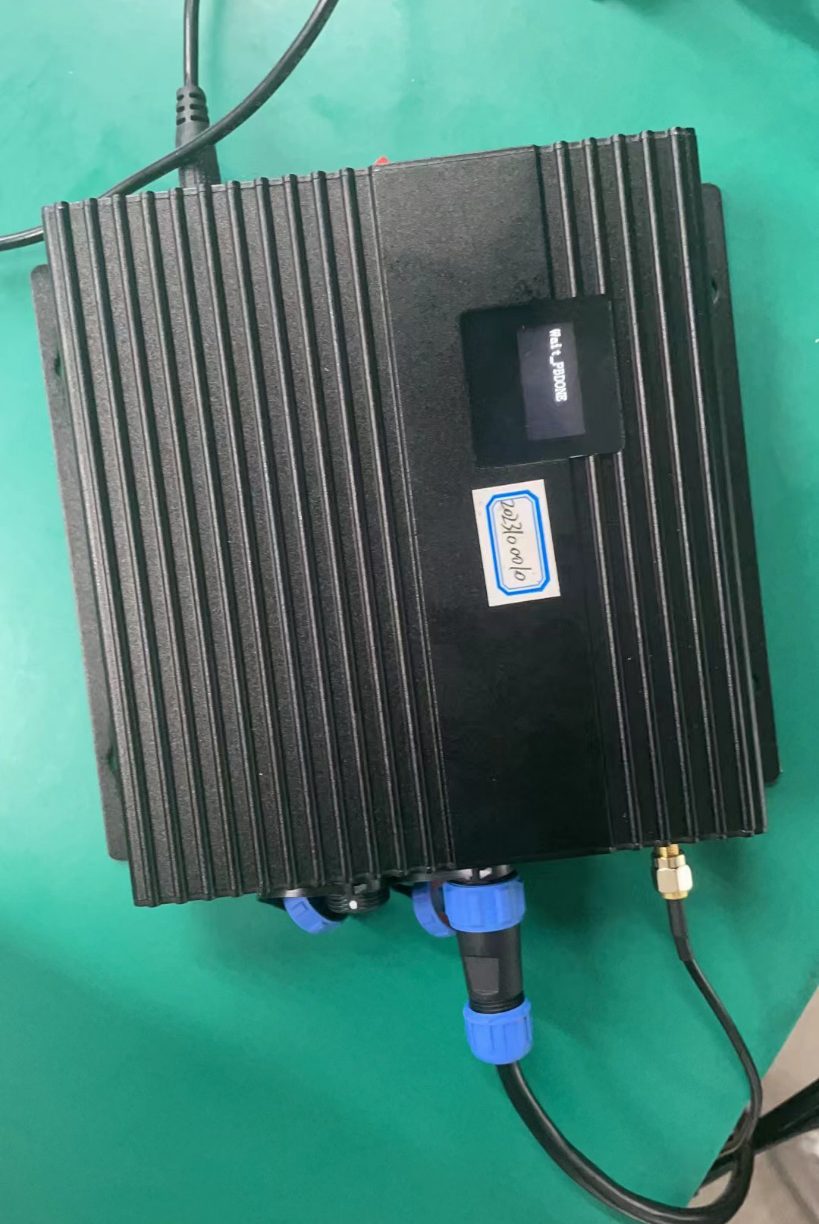
My most cited paper (340 citations, Energy and Buildings, 2022) describes a digital-twin predictive maintenance framework for air-handling units; a second line of work on nanosensors for bridge structural health monitoring has attracted 57 citations since 2023. Across 70 peer-reviewed papers, three provincial first-prize science awards, 20 invention patents, and 25 funded research grants, I have ensured that the methods I develop are tested on real infrastructure. Eight MEMS sensor products derived from this research have been deployed across more than 50 bridge and infrastructure projects.
Top cited papers from 70+ peer-reviewed publications
Energy and Buildings, 2022 | IF: 6.7
Applied Sciences, 2023
Advances in Civil Engineering, 2021
Journal of Bridge Engineering, ASCE, 2020
Expert Systems with Applications, 2023 | IF: 8.5
Computer-Aided Civil and Infrastructure Engineering, 2023 | IF: 11.8
Computer-Aided Civil and Infrastructure Engineering, 37(5), 650–665, 2022
25+ Funded Research Grants | 34 Patents (20+ Invention) | 8 Sensor Products Deployed in Infrastructure
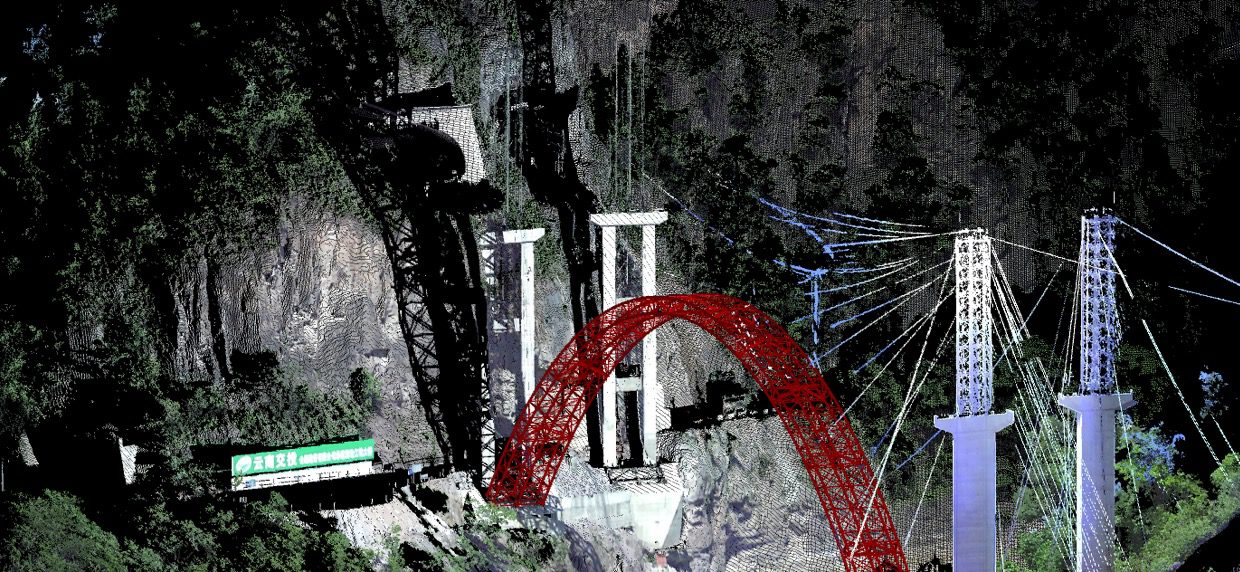
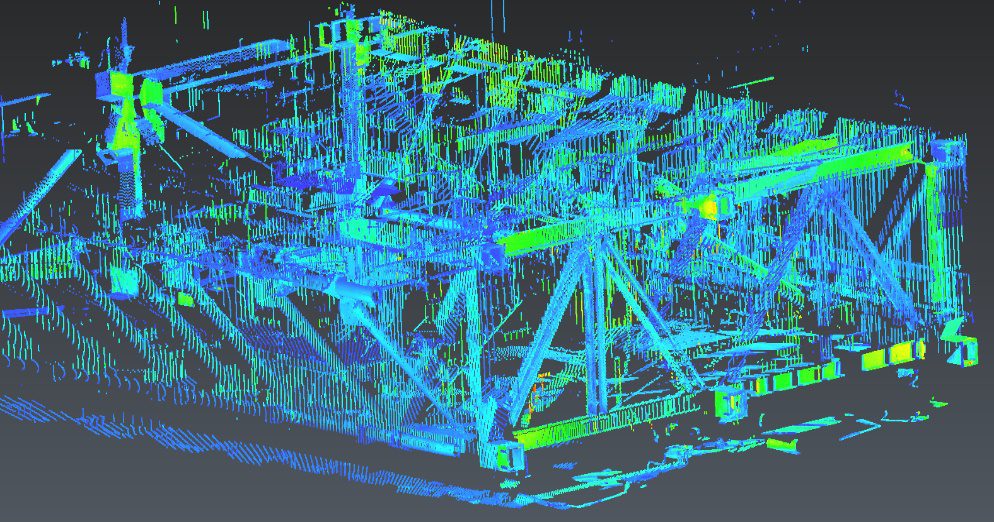
This project develops physics-informed neural network and multi-agent reinforcement learning methods for automated damage assessment and resilience evaluation of steel lattice structures subjected to extreme wind events. UAV-based photogrammetry and structural mechanics models are integrated to identify failure modes and support evidence-based maintenance decisions across large-scale infrastructure networks.
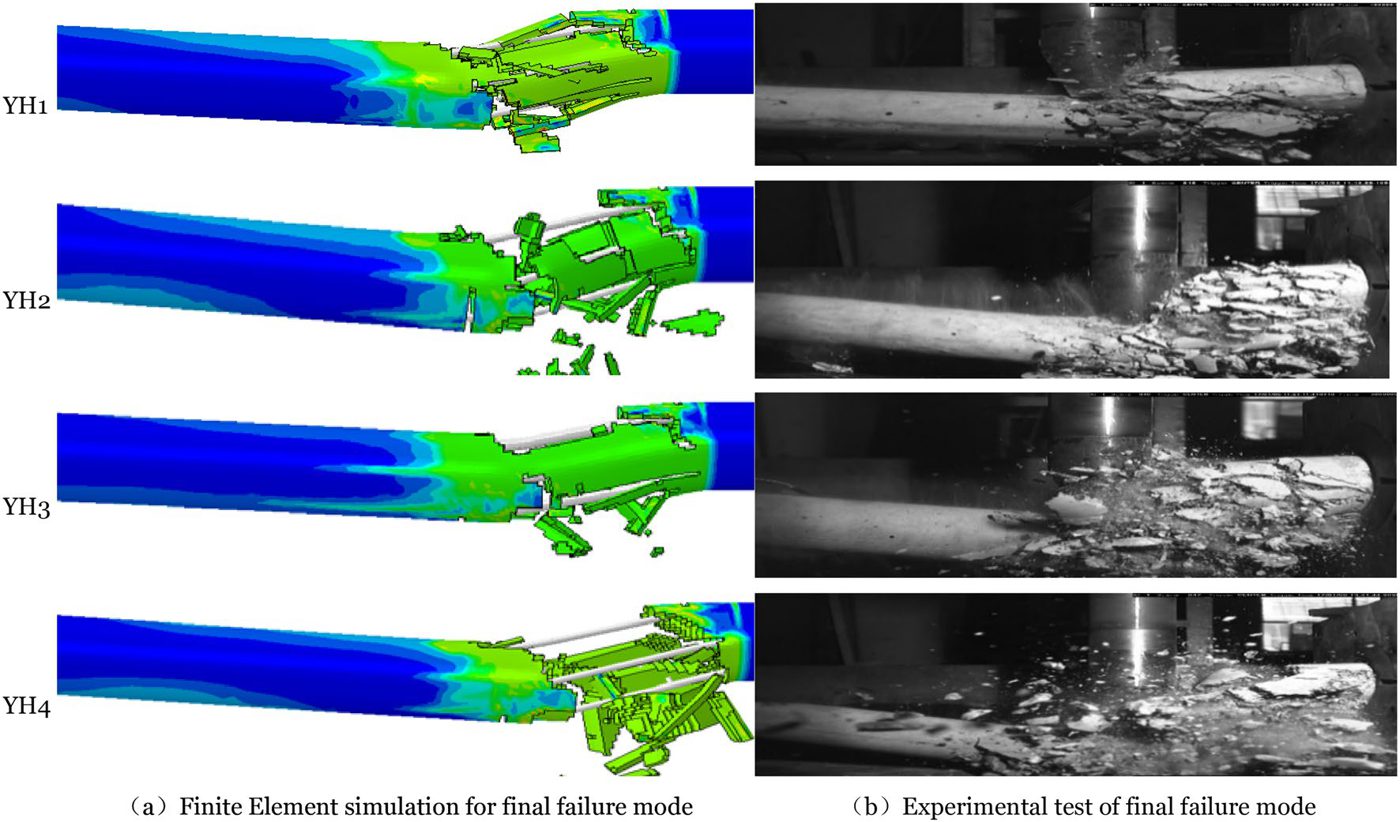
This project develops high-fidelity digital twin models of coupled space frame and long-span structural systems under extreme wind loading. The work characterises collapse patterns and localised failure mechanisms in slender steel members, and evaluates reinforcement strategies through continuously updated structural models informed by sensor data and computational simulation.
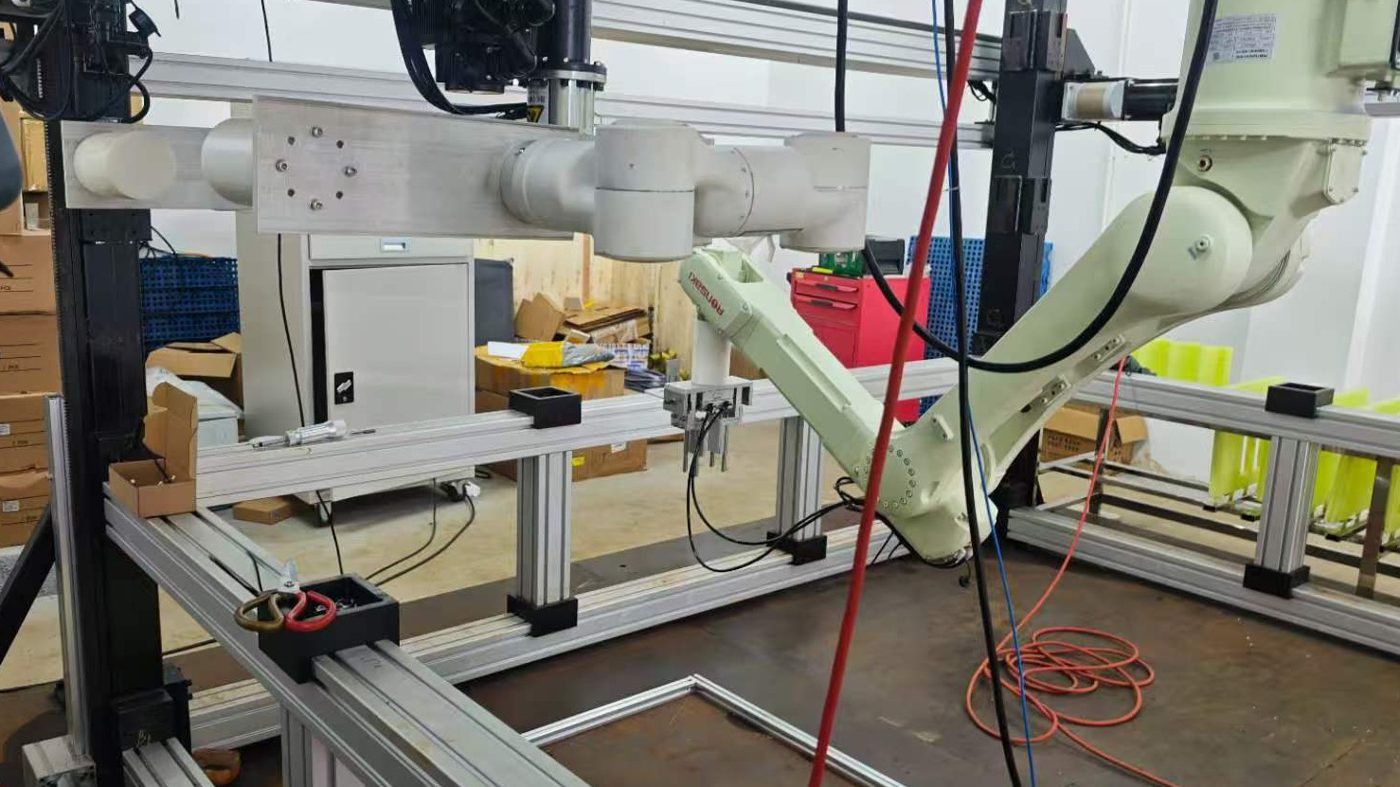
Development of a 1:10 scale physical test platform for an intelligent building machine, integrating dual-arm collaborative robots, PLC control, and a digital twin system that maintains real-time synchronisation between the physical rig and its virtual counterpart. The project targets autonomous construction sequencing and human-robot collaboration.
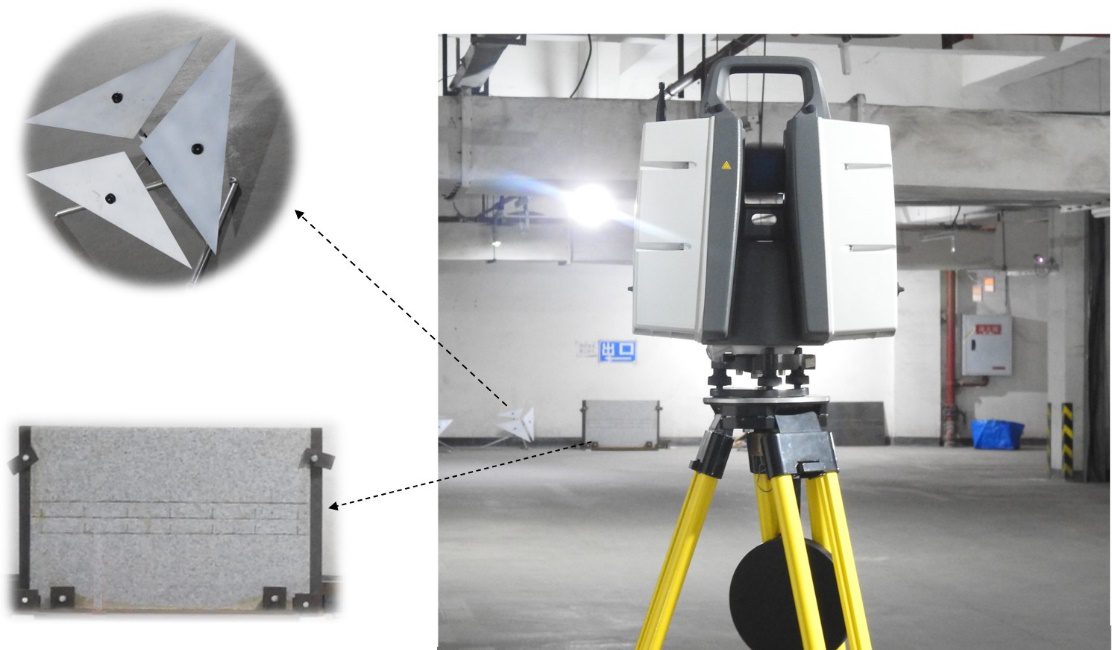
High-rise curtain wall installation quality assessment using terrestrial laser scanning and laser Doppler vibrometry. Point-cloud data from a 28-storey, 138 m tower are processed against parametric BIM models to quantify geometric deviation and detect vibration anomalies, producing a complete digital-twin quality record for the structure.
Postgraduate supervision and curriculum development across Norway and China
20 invention patents (6 granted, 14 published) and 14 utility patents, including 8 patents as first inventor. Three provincial first-prize science and technology awards: Ministry of Education (2016), China Highway Society (2022), and China Association for the Promotion of Industrial Development of Science and Technology (2024).
Active participation in international academic and professional societies
"In 2011, working on a bridge in a Norwegian fjord, I watched how a storm front loaded the structure in ways our finite-element model had not anticipated. That gap between what the model predicted and what the sensors recorded has been the central question of my research ever since."