Theme 1

AI-enabled infrastructure resilience

Developing data-driven and mechanics-informed methods for multi-hazard civil infrastructure assessment, resilience evaluation, and maintenance decision support. The current emphasis is climate-driven: how ageing structures behave under extreme weather, how remaining capacity is established rather than assumed, and where strengthening and retrofit are worth their carbon.

climate resilienceageing steel-structure reliabilitystrengthening and retrofitmulti-hazard assessment

Theme 2

Digital structural engineering and digital twin modelling

Combining sensing, model updating, BIM/GIS integration, point-cloud reconstruction, and simulation to create asset-level and system-level infrastructure evidence.

digital twin modellingreality captureBIM/GIS

Theme 3

Construction robotics and automation research testbeds

Using laboratory and field-test workflows to study robotic perception, inspection, construction-process coordination, and research-led teaching in digital construction.

construction roboticsresearch testbedautomation

Theme 4

Knowledge transfer and industry collaboration

Translating research methods into transferable workflows for asset management, predictive maintenance, infrastructure safety, and digital engineering practice.

method transferindustry collaborationpublic value

Theme 5

Circular economy in construction

Treating demolition and excavation waste as a material with properties rather than a disposal problem: characterising recycled aggregate, establishing what it can be specified for, and proving the result on structures that stay in service. Two research centres were established around this question with a European partner institute, and the work has been taken as far as pilot use on an operating road.

recycled aggregateconstruction-waste utilisationzero-waste constructionfield-proven
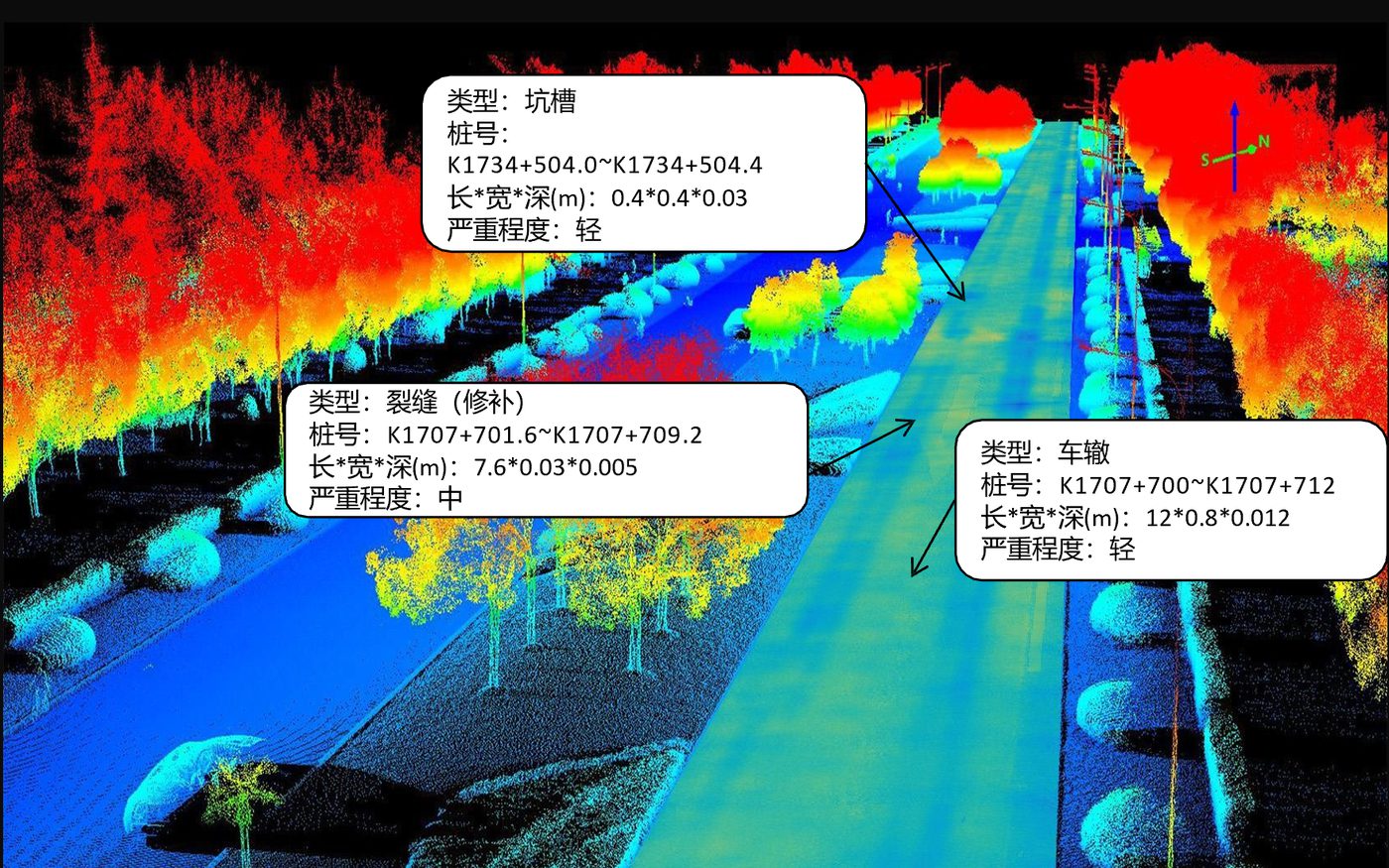
Point-cloud based condition assessment of a road corridor with automatically identified surface defects
Point-cloud condition assessment: laser-scanned road corridor with automatically identified and classified surface defects, each traced to location and severity. The kind of evidence the research agenda is built to produce.

Where this work belongs

The questions above are live in several national research programmes at once. Evidence of the work already reaching engineering practice is set out on the impact page.

Impact Record

Engineering AI and resilient systems

AI for engineering systems, infrastructure resilience, digital twins, sensing, construction productivity and data-informed decision support — the priority areas of the UK research councils and their counterparts in Europe and China.

Applied translation with industry

Demonstrators, adoption of digital workflows, asset-management productivity and structured knowledge transfer with infrastructure owners and built-environment firms.

International collaboration

Sustainable infrastructure, circular construction, automation, monitoring and data-driven resilience, pursued with partners across Europe and Asia — and, where it counts, under dated signed agreements rather than informal contacts, which is what makes joint supervision and joint funding submissions possible at all.

Recent 2025-2026 outputs and manuscript activity extend this agenda in BIM-enabled design, corrosion and reliability assessment, structural health monitoring, predictive maintenance, and evidence-traceable decision support.

Where I think this goes

A personal read, held loosely, on how AI enters civil infrastructure.

From screens to structures

AI is moving into the physical world

Through sensing, robotics and embodied systems, AI is moving out of purely digital settings and into physical assets. The share of analysis it performs autonomously, and the weight it carries in engineering decisions, will keep growing. What does not move is accountability: a model does not sign off a structure, explain uncertainty to the public, or answer for an assumption that turned out to be wrong.

Accountability becomes infrastructure

Human-in-the-loop stops being a research topic

As that shift continues, a chain of accountability has to form around it, running through regulators, independent reviewers, suppliers, the organisations that operate assets, and insurers. Once that chain exists, keeping a qualified human in the decision loop is no longer a research preference. It becomes part of how infrastructure is allowed to work, which is why I treat validation discipline and data standards as engineering questions rather than compliance ones.

Public research descriptions are intentionally capability-level.

Research Evidence Pathways

Where the underlying evidence sits.